


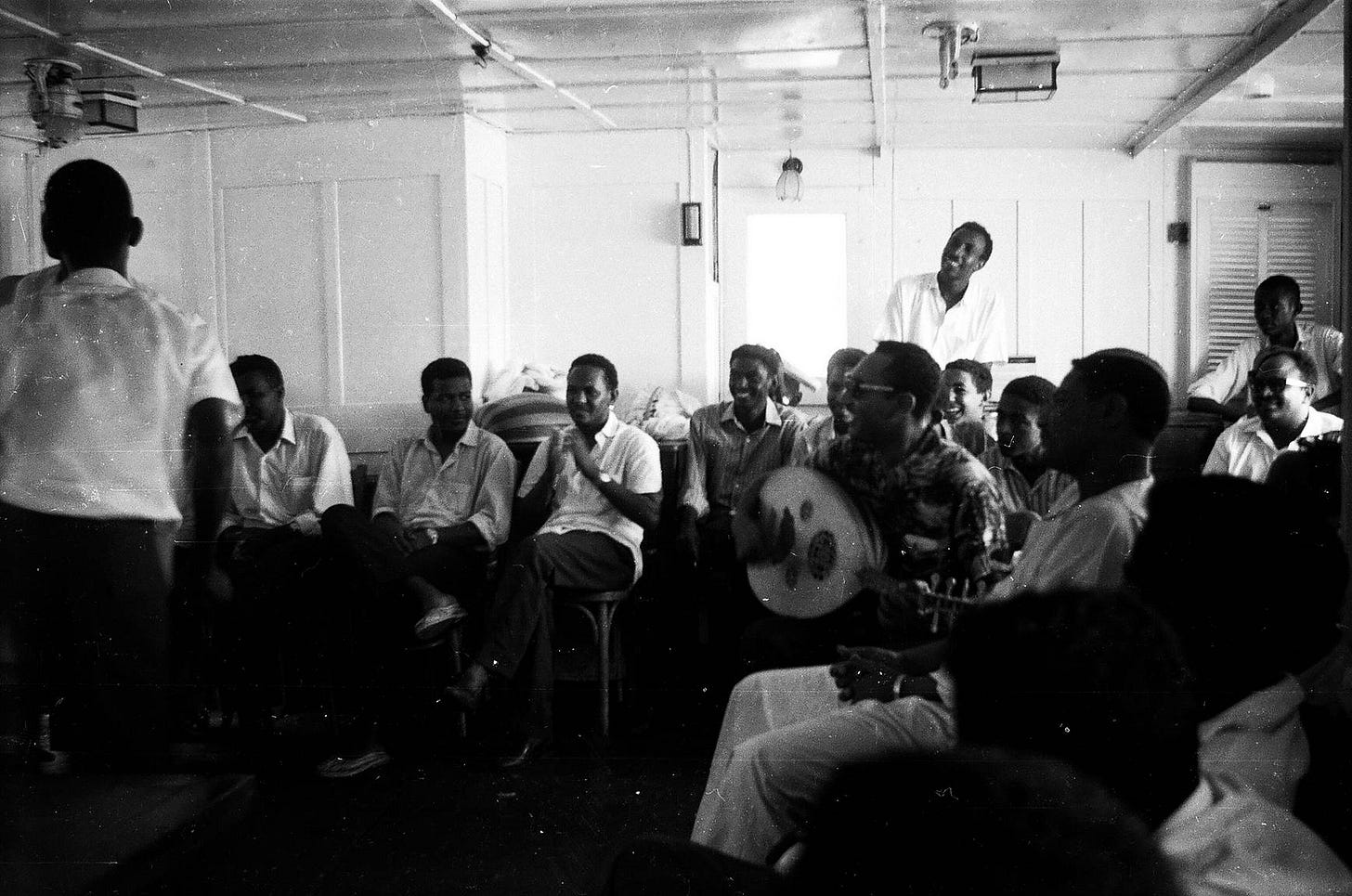
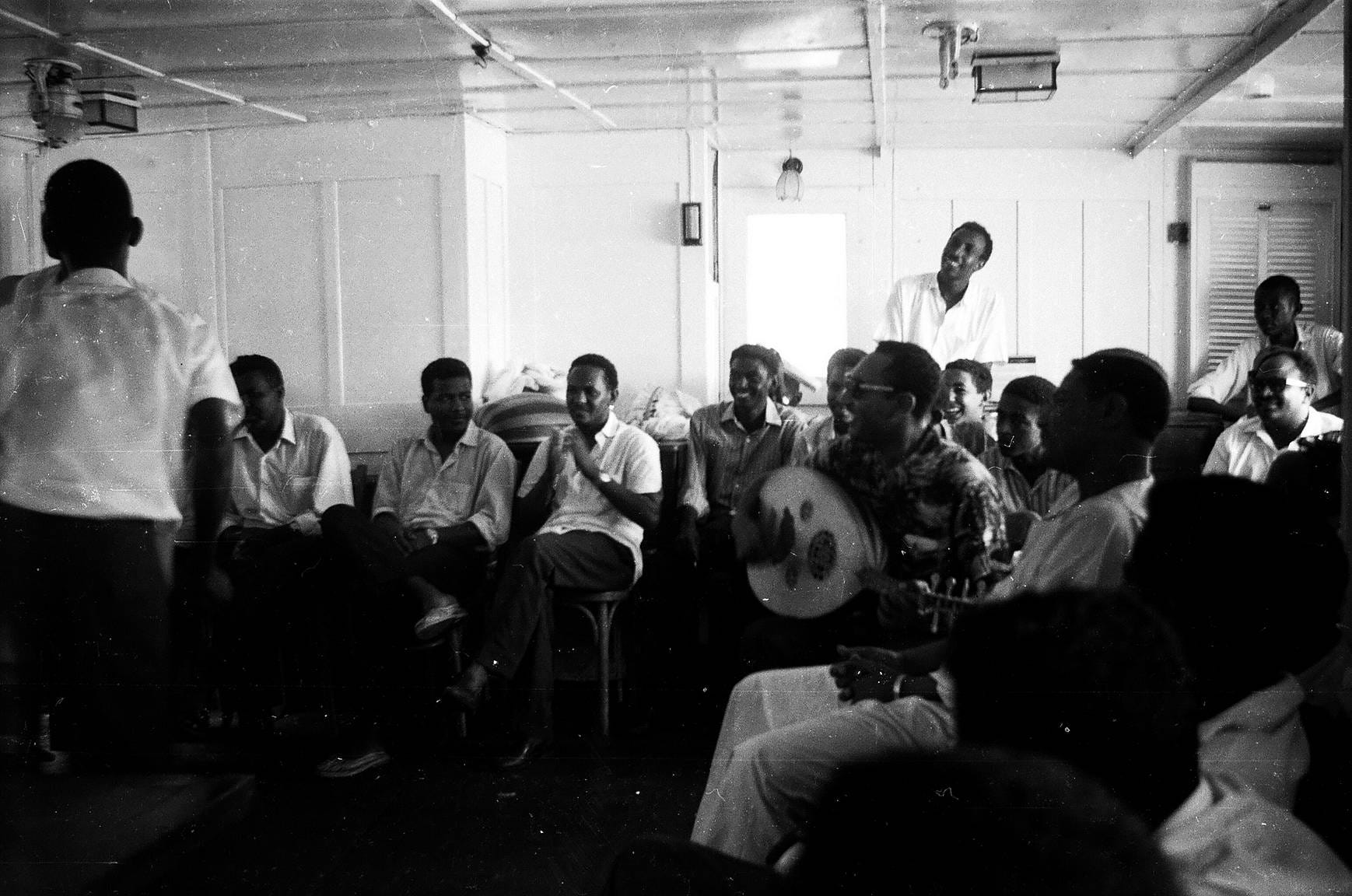
In February 1903, a recording engineer working for the Gramophone Company recorded four sides of music performed by a group identified as the Sudanese Vocal Quartet in Cairo. These are among the earliest known commercial recordings of Sudanese music. More than a century later, this recording history remains unfamiliar to most people. The music was there, the musicians were performing, and the records were being made. Yet the story behind these recordings never reached a wider audience.
There is a difference between having something of cultural value and having the world recognise it. A musical tradition, a style of clothing, or a visual language can exist for generations without attracting much attention beyond the community where it belongs. Then it appears in a fashion collection, a music release or an international campaign, and suddenly people begin to take notice.


The idea that culture should only be valued when it becomes commercially useful misses something important. A language does not need millions of speakers to matter. A musical tradition does not need international success to have a place in history. And a local craft does not become more meaningful simply because a luxury brand includes it in a collection. Cultural value exists long before the market takes an interest in it.
But the market does not pay attention to every culture equally. It tends to favour what can be presented to a wider audience and turned into something commercially recognisable. A tradition may have a long history, but its international visibility often depends on who introduces it, how it is presented and whether there is a market for it. Sometimes, what changes is not the culture itself, but the audience looking at it.
This raises a more practical question: how much control does a community have over the way its culture is documented and shared? Cultural presence depends on more than recognition. It also requires archives, independent publications, recordings, research and platforms that allow people to present their own work. Without these resources, much of a culture’s history can remain difficult to access, even for people who want to discover it.
That is why preserving culture cannot be limited to looking back at the past. It also means supporting the people who continue to create it, documenting everyday life and making room for new work. A culture needs to remain part of the present, not simply become something people remember or rediscover later.
Who Gets to Tell the Story?
In 2018,Black Panther introduced audiences to Wakanda, a fictional African nation with its own architecture, clothing and visual identity. The film drew inspiration from different African cultures, bringing together elements of dress, language and design to create a world that felt distinct from the usual images of Africa seen in international cinema.
Costume designer Ruth E. Carter researched traditions from across the continent to develop the film’s visual language. The result was not a portrait of one particular African society, but an imagined world built from a range of cultural references.
What made the film interesting was not simply that it showed African-inspired clothing and design on a global screen. It presented a fictional African society with its own technology, institutions and sense of identity. For many viewers, this offered a different visual reference from the images of Africa they had become used to seeing.
The example also points to a wider question. When a culture is presented to the world, the person telling the story has a great deal of influence over what people see. Some details are selected, others are left out, and the final image can become more familiar than the culture itself. Being seen is one thing. Being understood on your own terms is another.

The Cost of Being Recognised !
Recognition often comes at a price. The global market may embrace a culture, but only after reshaping it into something familiar and easy to sell. Its symbols become popular, while the people behind them may have little control over how they are used or who profits from them.
What Remains When the Attention Moves On?The recordings made in Cairo in 1903 did not become important because the world eventually noticed them. They mattered because they captured a part of Sudanese musical history that might otherwise have remained undocumented. The same is true of cultures everywhere. Their value does not begin with international recognition, and it does not disappear when public attention moves elsewhere.
The real question is not whether a culture can attract the world’s attention. It is whether it can preserve its history, tell its own stories and continue to develop without depending on that attention. Recognition may open doors, but it should never be the measure of cultural value.
Sources
Jonathan Ward, Sudan at 78 rpm, 2021.Smithsonian Magazine, The Look and Fashion of Black Panther, 2018.The Walt Disney Company, Marvel Studios’ Black Panther Crosses $1 Billion Worldwide, 2018.