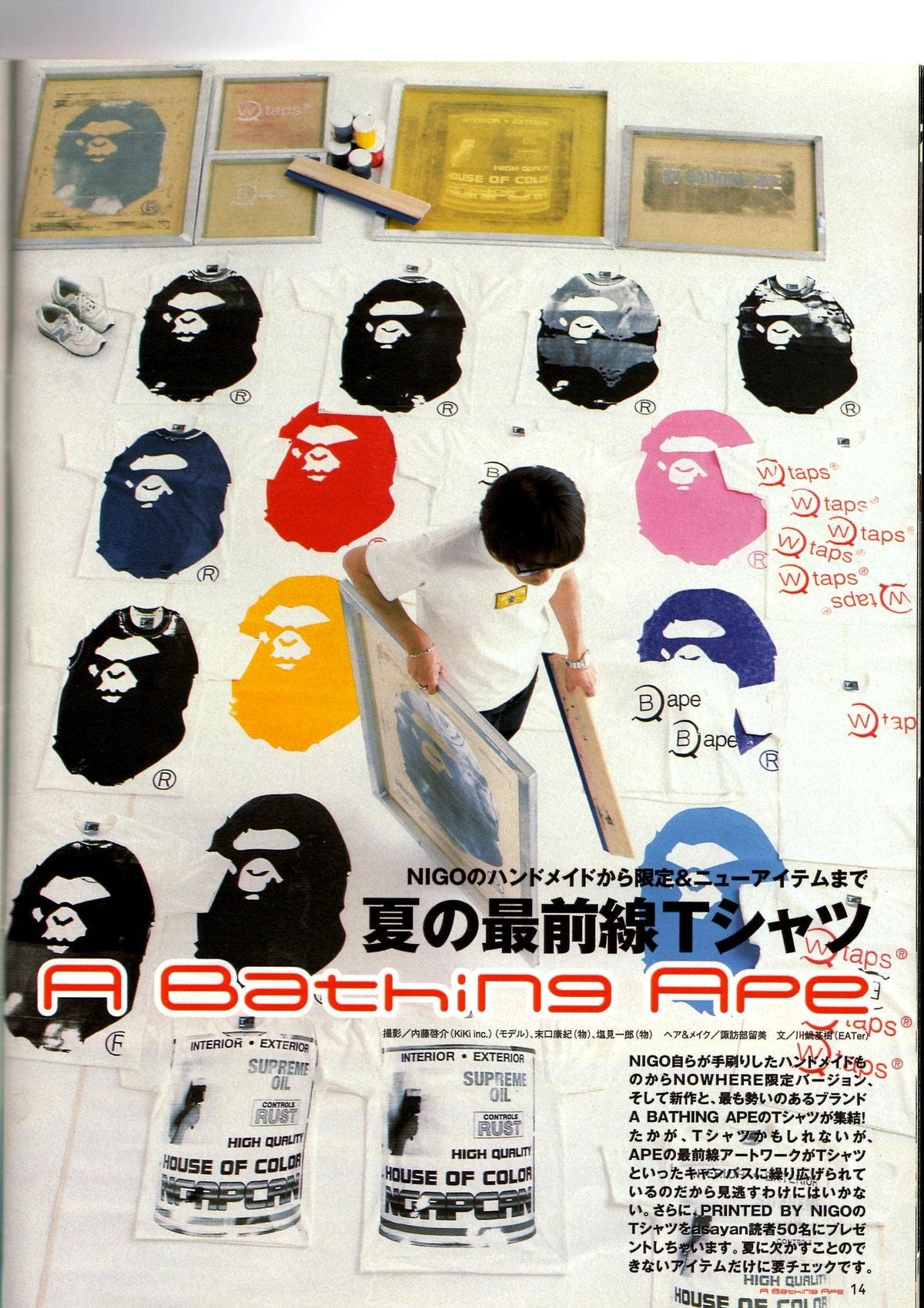
There was a time when discovering something new meant finding a person who knew about it.
A record-store clerk who recommended an album you had never heard of. A friend who lent you a magazine from another country. A photographer whose work introduced you to an entirely different way of seeing the world.
Sometimes, it was an obscure website, a forgotten forum discussion, or a photograph that led you somewhere unexpected.
Before recommendation feeds, discovery depended on curiosity, patience, and people who cared enough to share what they found.
They helped us discover things we didn’t yet know we were looking for.
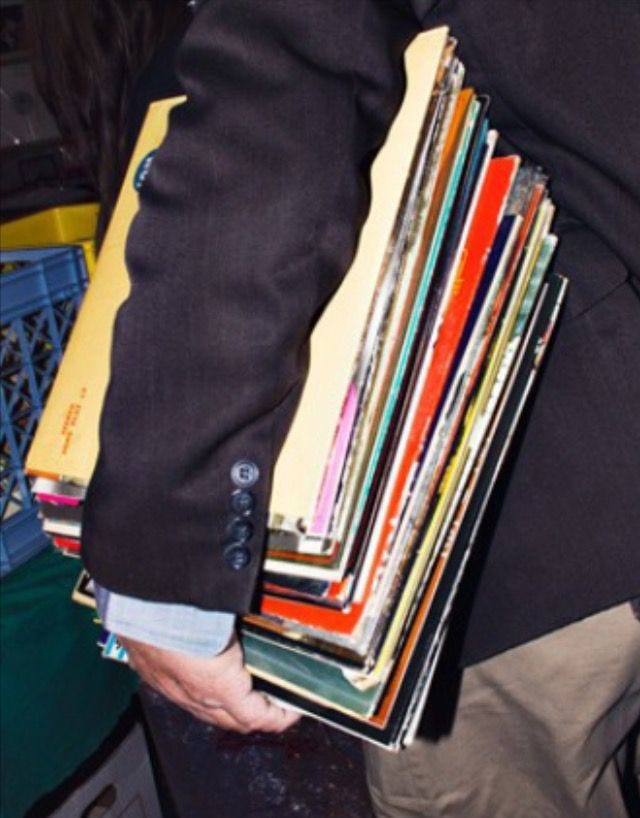

The People Behind the Discovery :-
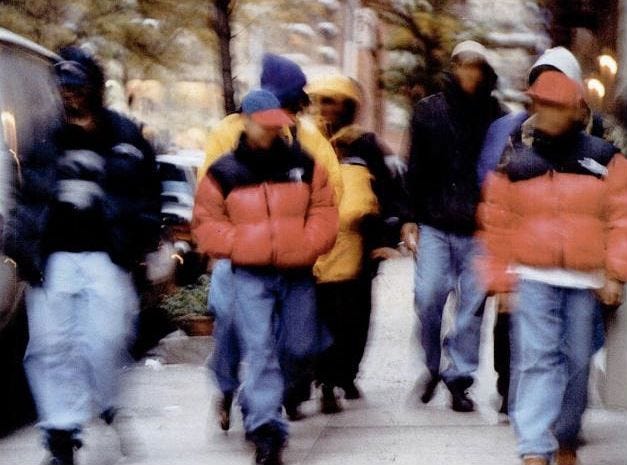
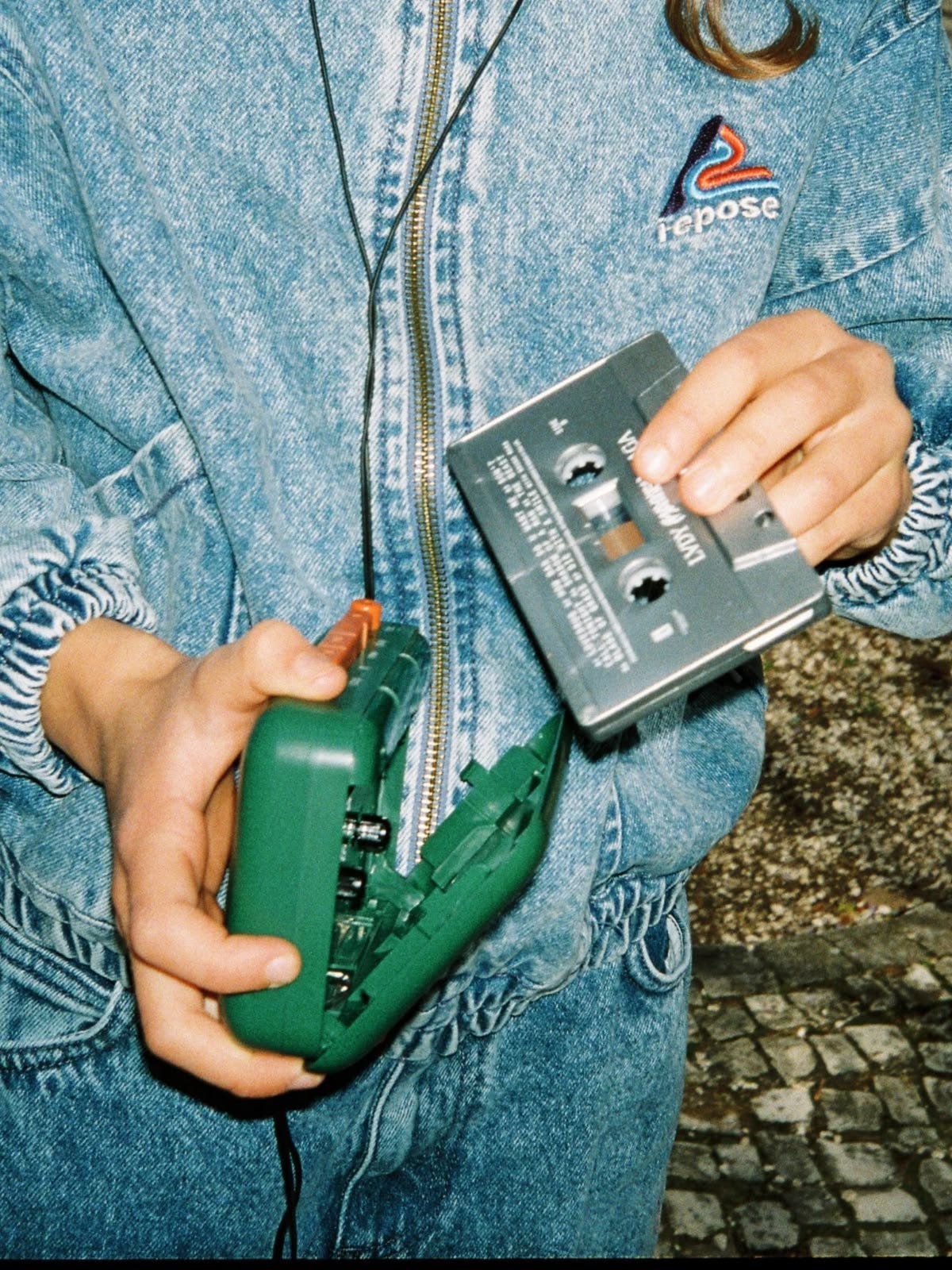
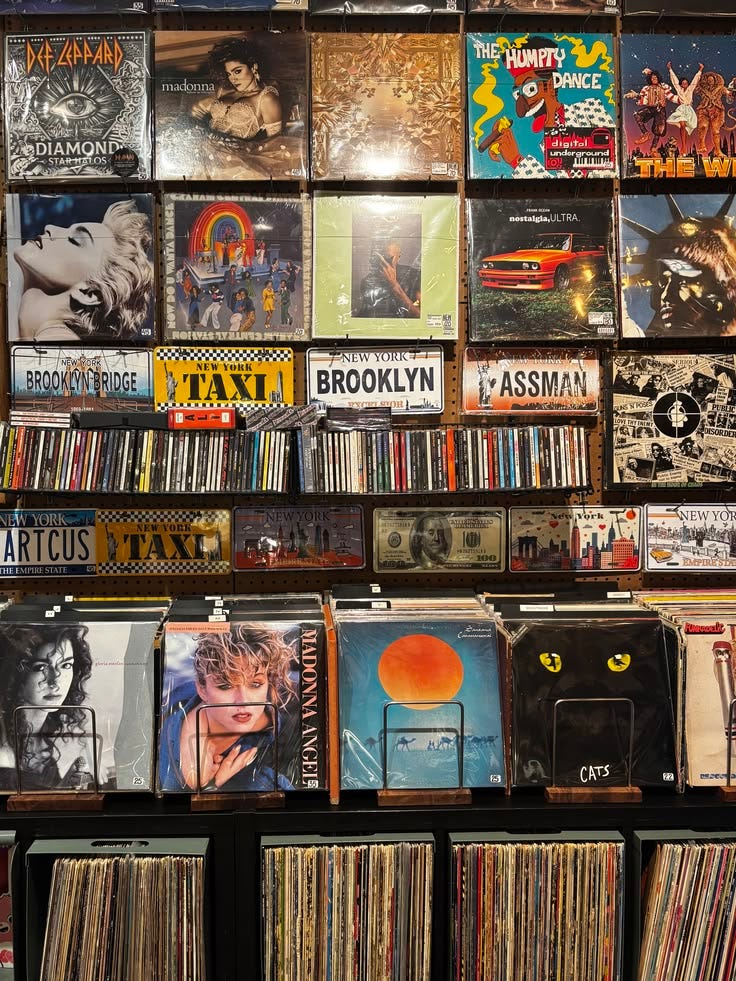
In the 1990s and early 2000s, taste travelled through independent magazines, record shops, personal websites, and online forums.
People exchanged photographs, discussed unfamiliar designers, recommended music, and shared references that rarely appeared in mainstream publications.
These communities did more than distribute information. They helped people develop their own perspectives.
A jacket was never just a jacket. Its meaning could come from the person wearing it, the culture surrounding it, or the unexpected way someone combined it with something else.
Knowing about something was only the beginning. Understanding why it mattered was another thing entirely
Taste Was Something You Learned From Other People :-
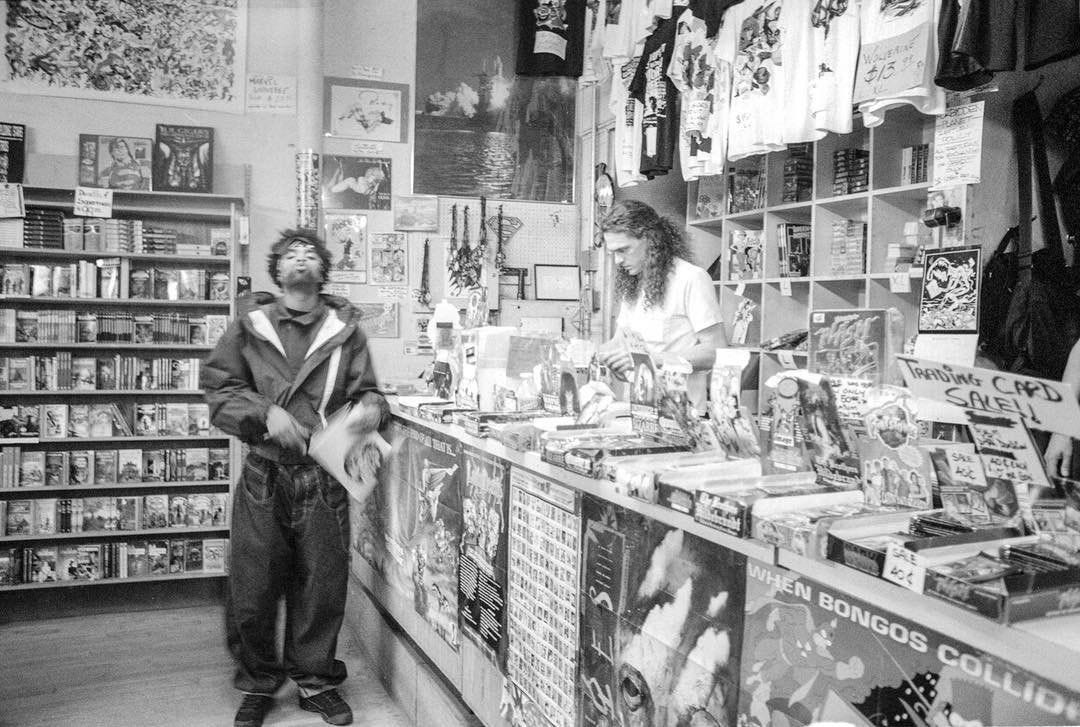
The people who shaped taste were not always famous. They were shop owners, magazine editors, photographers, and collectors who developed their own points of view.
A shop owner might introduce an unfamiliar label.
An editor might publish a photographer nobody had heard of.
 A collector might spend years building an archive that eventually became a reference for others
.
An editor might publish a photographer nobody had heard of.
A collector might spend years building an archive that eventually became a reference for others
Their influence came not simply from what they knew, but from how they saw things.
You discovered something through them, developed an interest of your own, and eventually passed that discovery on to someone else.
Culture moved through these exchanges.
When Discovery Became a System:-
The internet made cultural discovery easier. It connected people across borders and allowed obscure interests to find communities of their own.
But as digital platforms grew, discovery began to change.
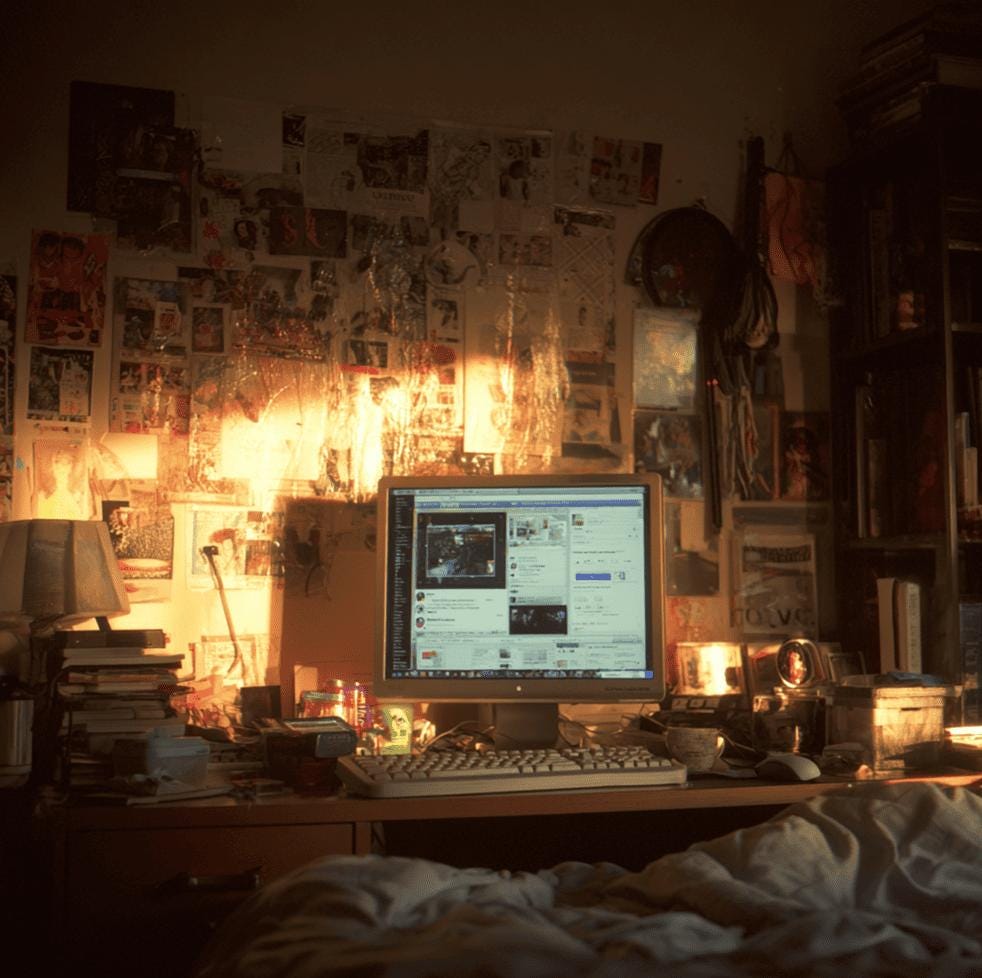
Instead of searching for a person, publication, or community, we increasingly encountered culture through personalised feeds designed to predict what might hold our attention.
These systems opened doors for independent artists and niche communities. Yet they also changed our relationship with discovery.
A recommendation can show us something we are likely to enjoy. But enjoyment is not the same as discovery, and familiarity is not the same as understanding.

The Difference Between Seeing and Looking:-
Today, we can access thousands of photographs, designers, magazines, and musical archives with a few searches.
Yet access alone does not produce understanding.
We can save thousands of images without knowing what connects them. We can build moodboards, collect references, and scroll through endless inspiration without developing a point of view of our own.
Taste requires attention. It takes time to recognise why something matters, how it connects to other things, and what makes it meaningful beyond its popularity.
Perhaps the challenge is no longer finding things to look at, but learning how to look at them
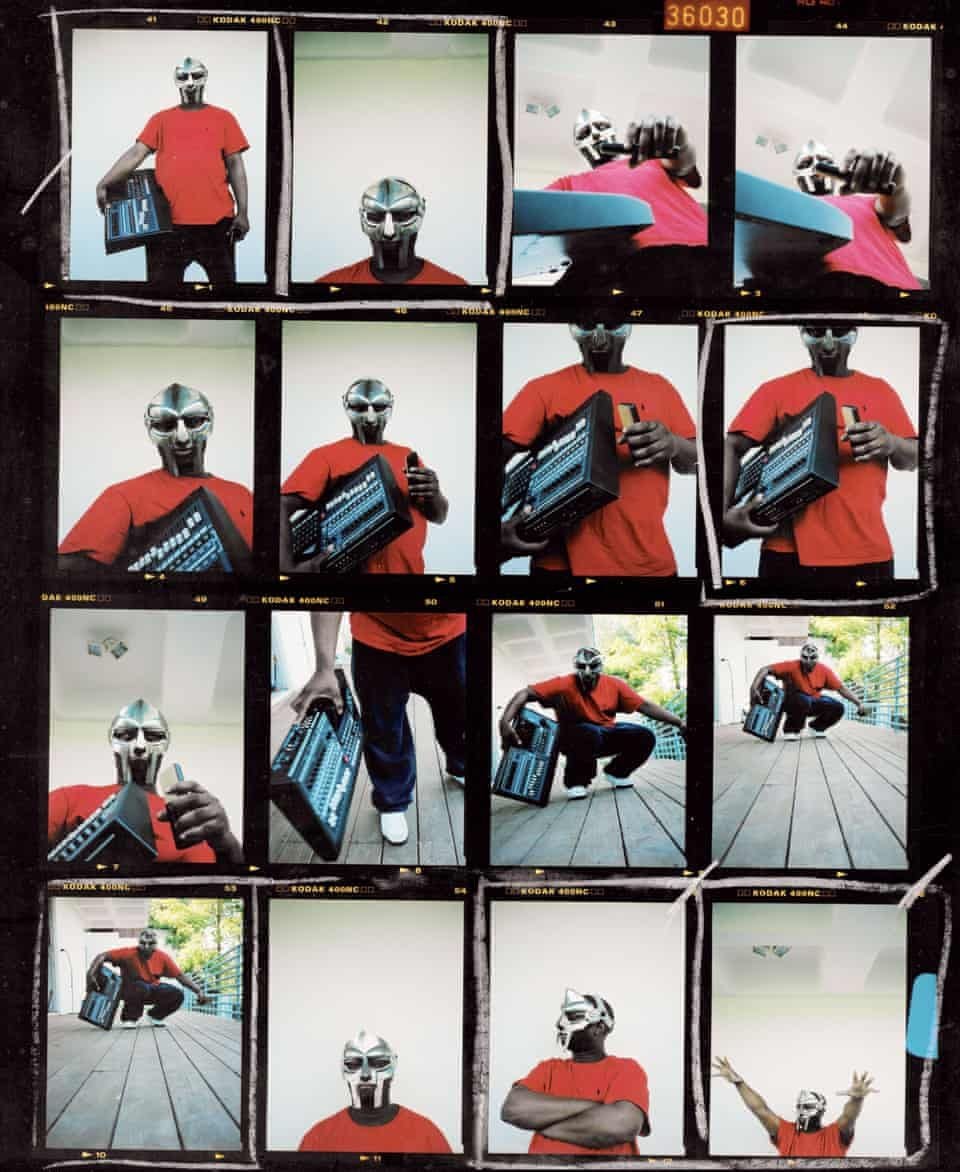
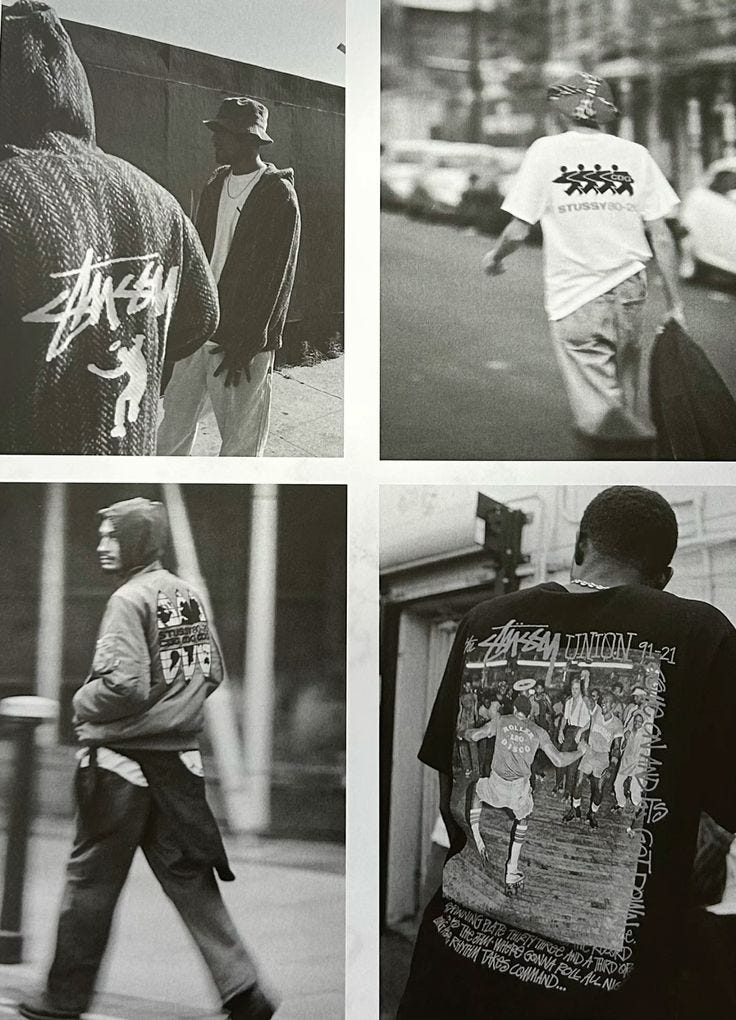
What Happens When Everyone Is a Curator?Today, anyone can share photographs, introduce an unfamiliar designer, or document a local cultural scene. More people can participate in shaping culture than ever before.
But visibility is not the same as significance, and collecting references does not automatically create taste.
The people who shaped culture before recommendation feeds remind us that discovery was never just about objects, images, or trends. It was about relationships between people who cared enough to notice something and share it with someone else.
The most interesting person in a cultural scene was not necessarily the one who knew everything. It might have been the person who knew where to look next.
Because discovering something is one thing.
Learning why it matters is another.